Standort: Salzburg
Planerteam: archinauten
Typus: Arbeit, Urban
Zeitraum: 2024
Größe: ca. 5.000 m²
Preis: 3. Preis
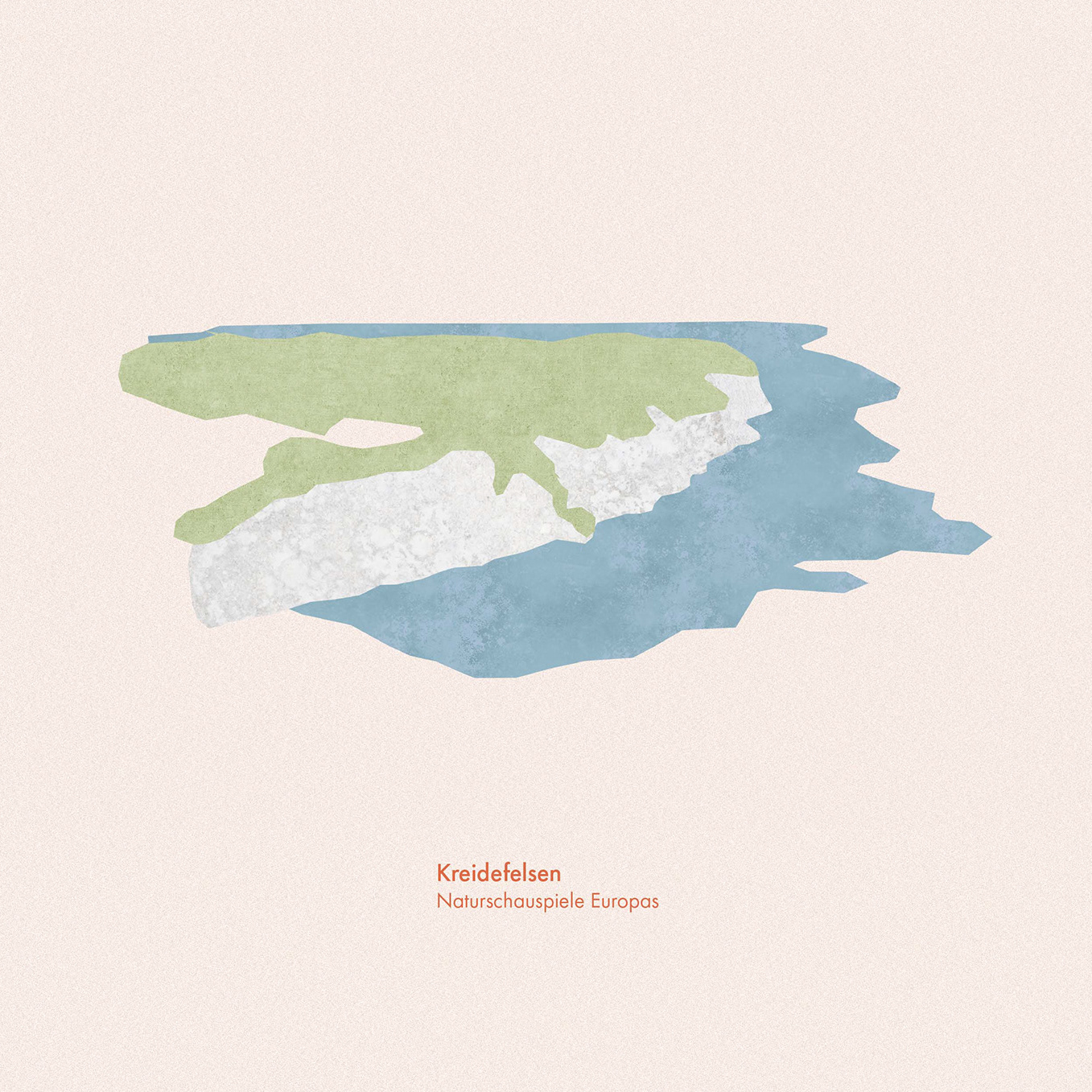
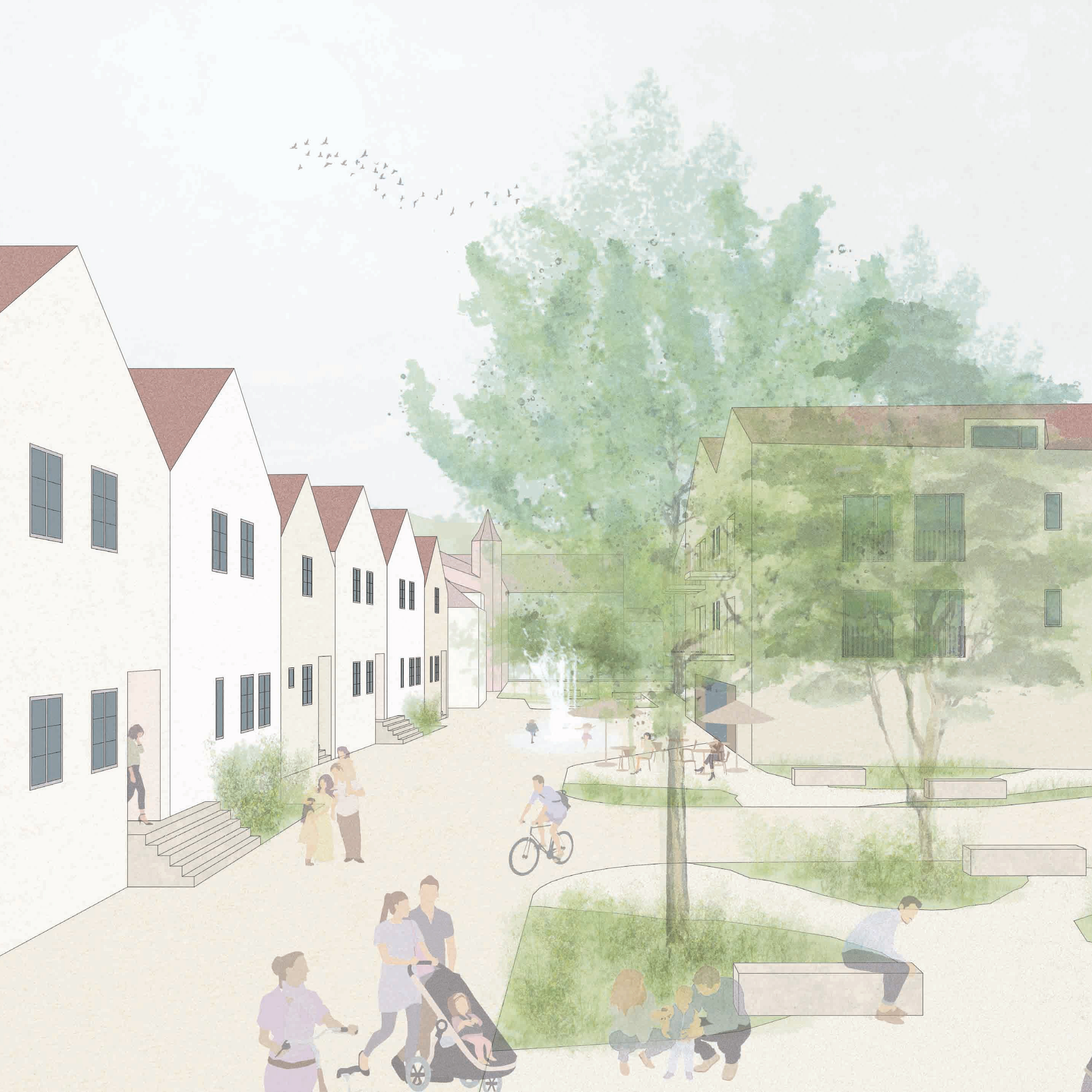
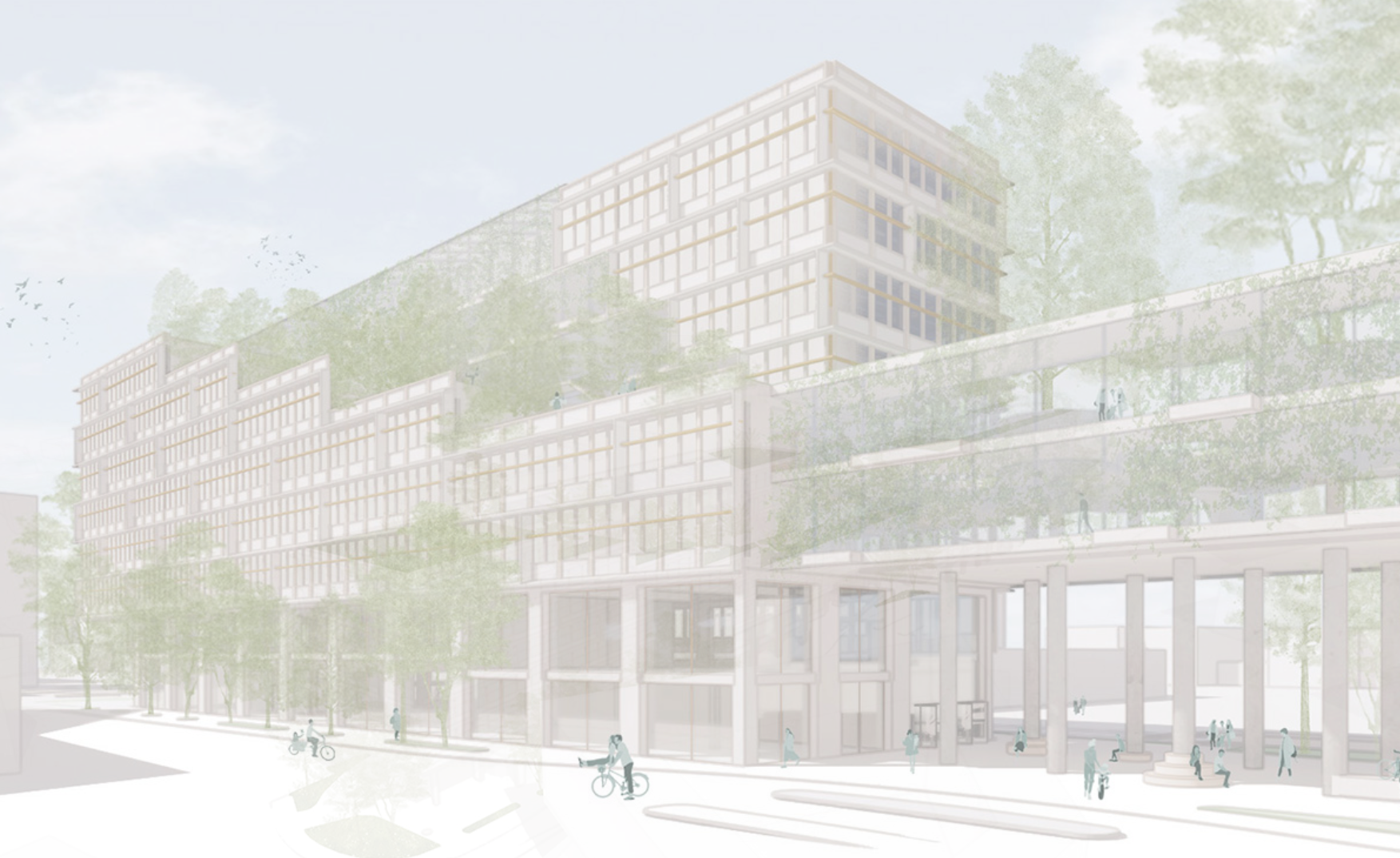
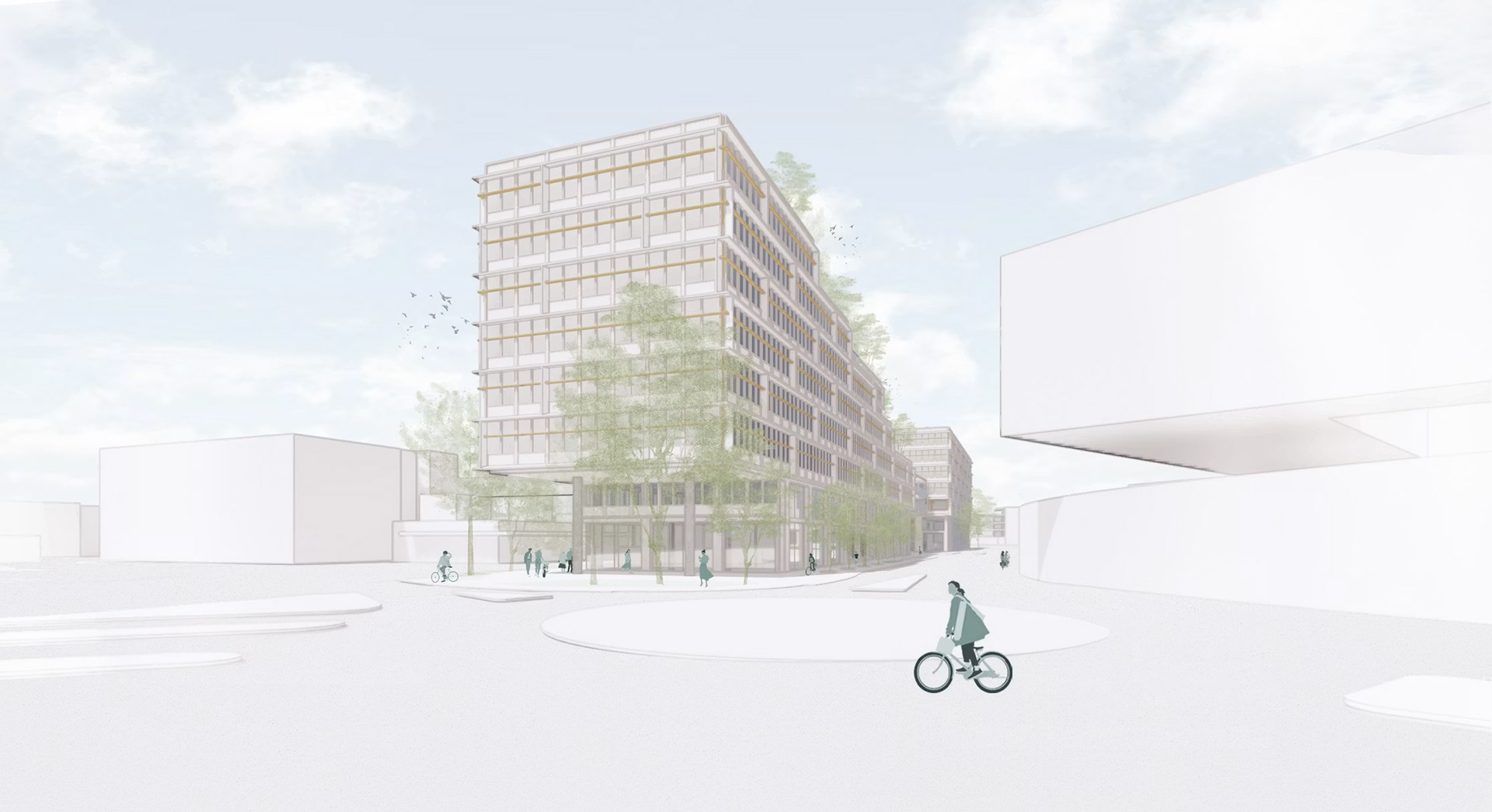
Die landschaftliche Kulisse dient als Vorbild für den Entwurf. Angesichts des Klimawandels stehen Beschattung, Kühlung und der Erhalt natürlicher Ressourcen im Zentrum. Regenwassermanagement, Pflanzplanung und Beschattung durch Kletterpflanzen sind bei einem Großbauprojekt dieser Größenordnung zu maßgeblichen Anforderungen geworden.
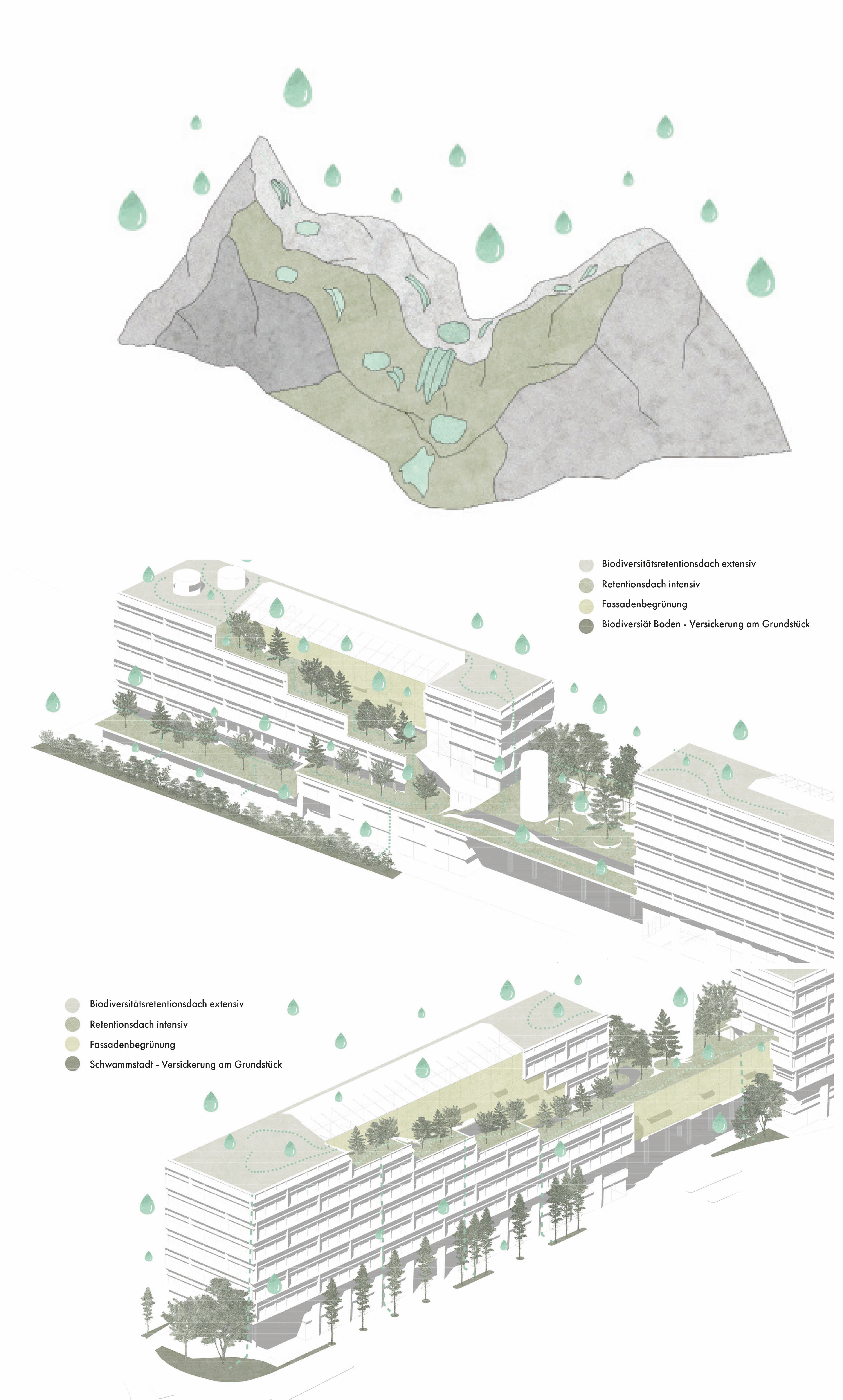
Regenwassermanagement nach dem Gebirgsprinzip
Gespeichertes Wasser kühlt Gebäude und Umgebung und versorgt Pflanzen, die durch Verdunstung klimapositiv wirken. Vorbild ist ein Gebirgsstock (z. B. Untersberg): Vom Regen über Quelle und Bach bis zum Gebirgssee entwickelt sich das Wasser fort. Kaskadenartige Wasserfälle transportieren es von Dach zu Dach.
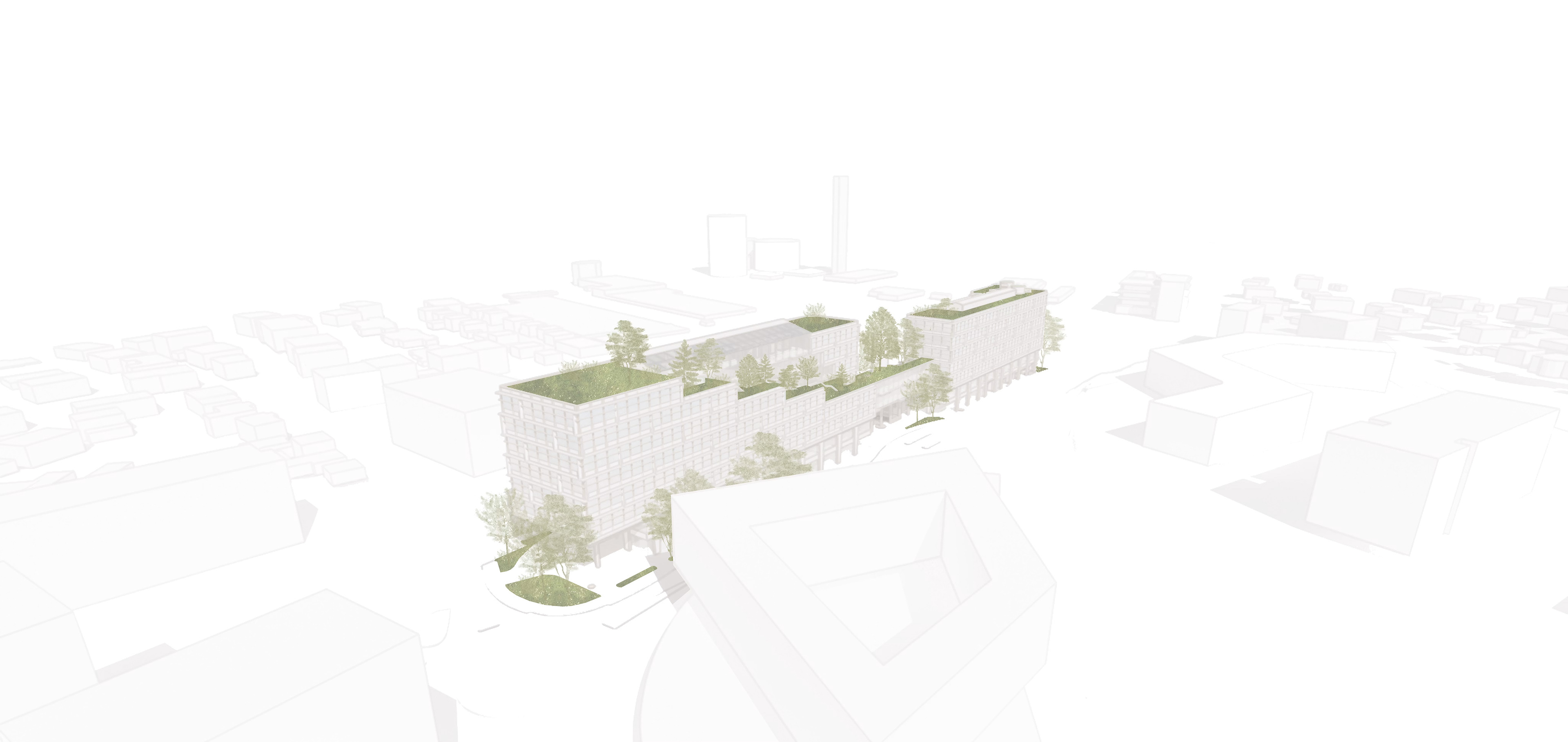
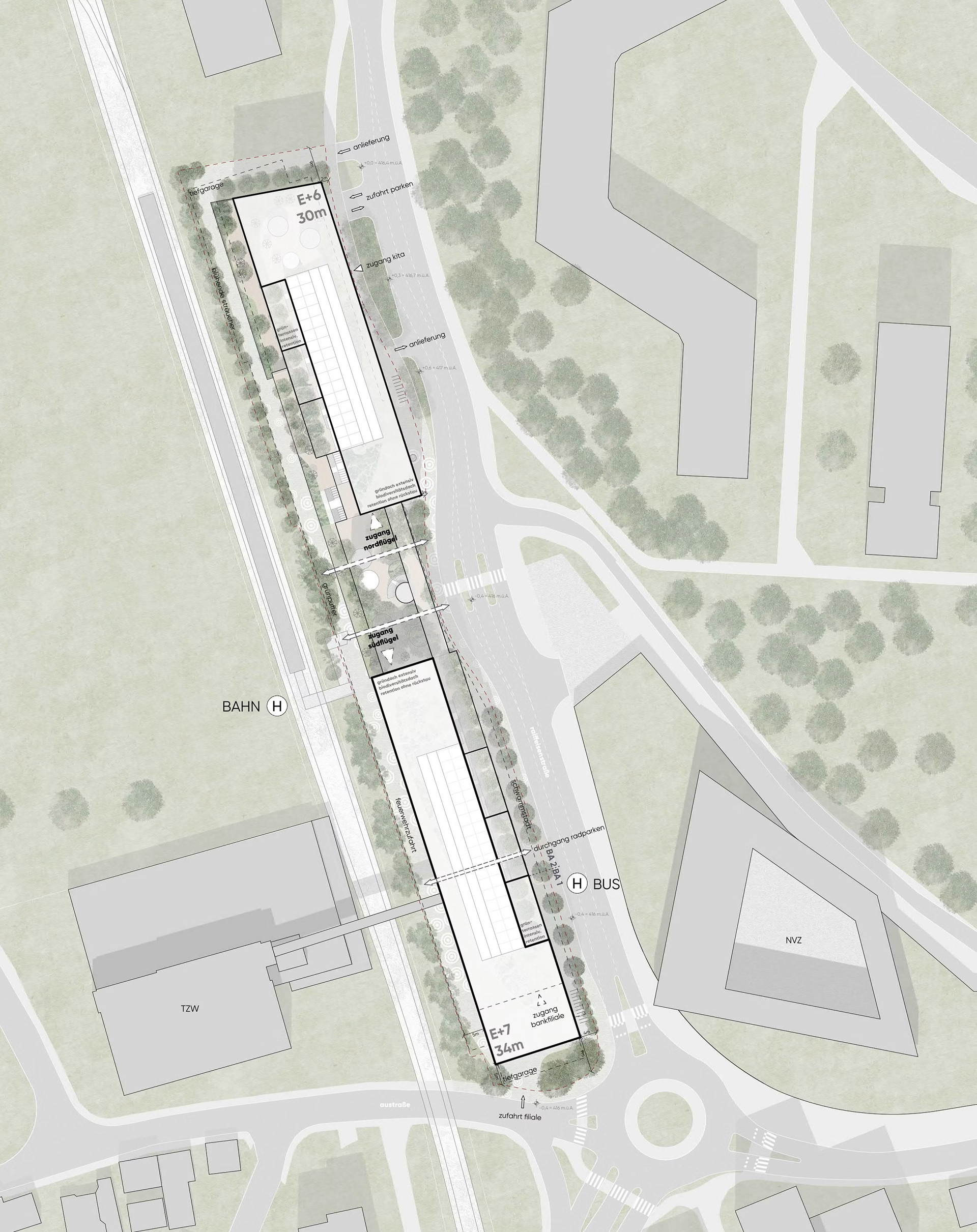
Oberste Dachfläche – Retentions- und Biodiversitätsdach: natürliche Kühlung durch Verdunstung, verbessertes Mikroklima und Artenvielfalt. Kein Daueranstau, temporärer Speicher 72 l/m², permanenter Speicher 6 l/m².
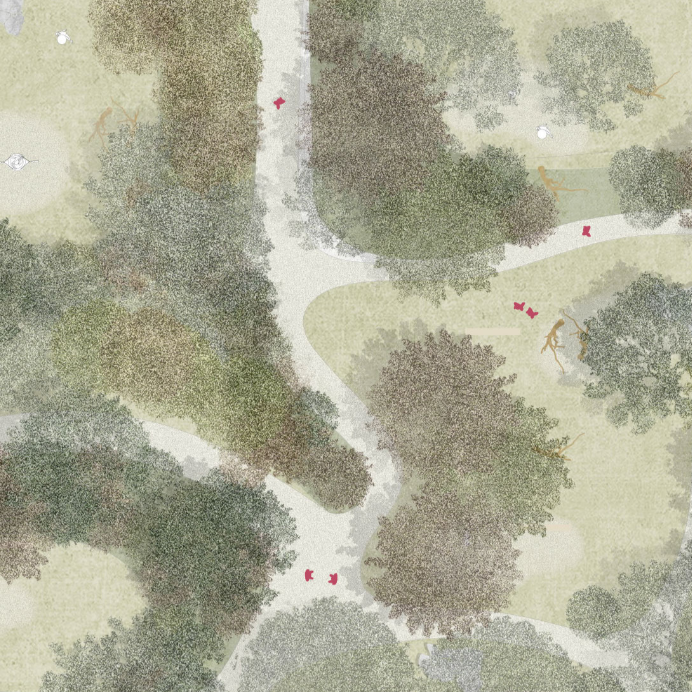
Kaskadenebene – Intensivbegrünung: Das größere Substratvolumen (60–80 cm) lässt Kleinbäume und Großsträucher gedeihen und erhöht die Verdunstungskälte. 20 l/m² Daueranstau, 70 l/m² temporärer Speicher. Eine Zisterne im ehemaligen Siloturm dient als Reservoir und speist an heißen Tagen Duschen.
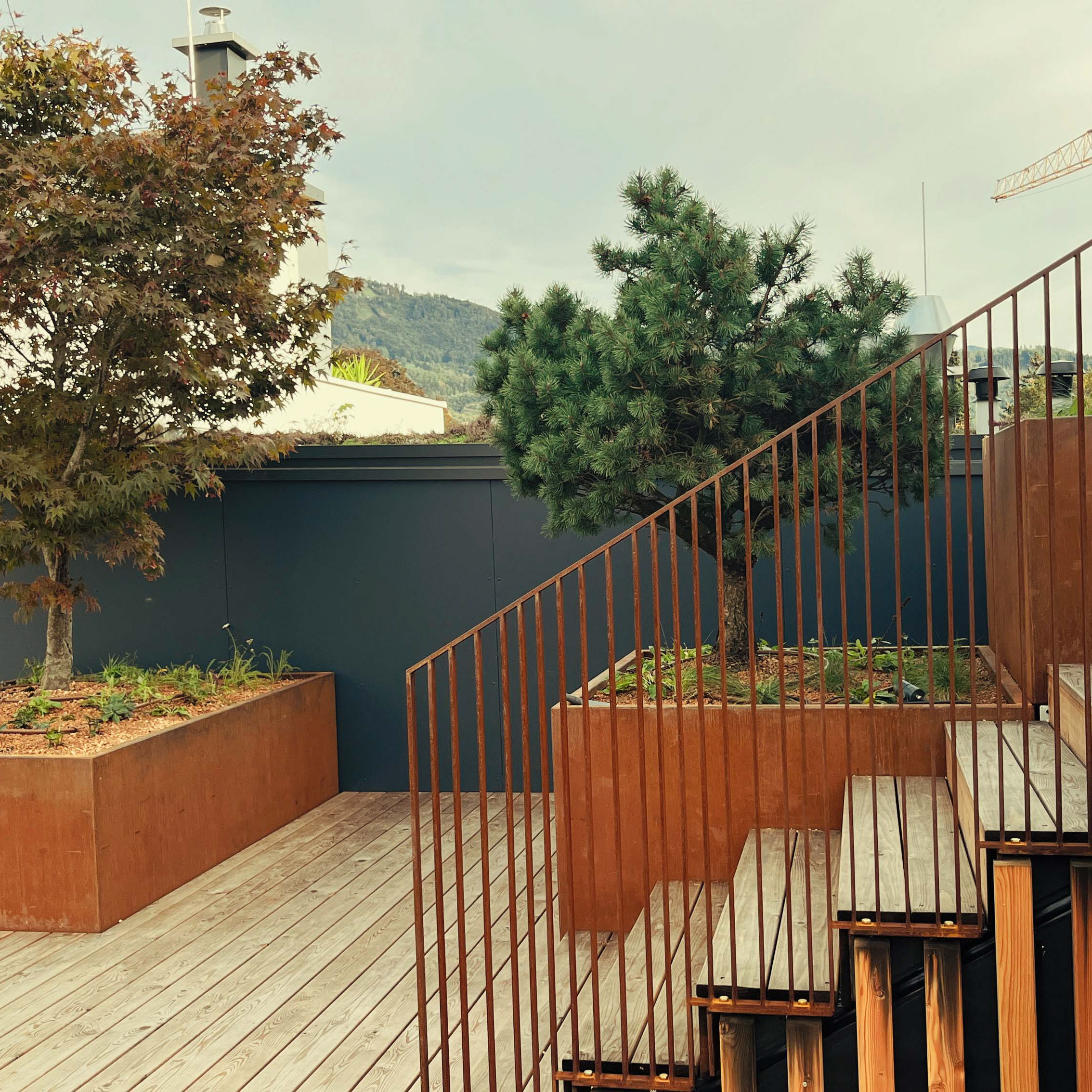
Grünes Herz: 7 Großbäume in den ehemaligen Silotürmen. Der Wurzelraum (Radius 2,5 m, mind. 1,5 m Substrathöhe) ermöglicht große Bäume am Dach.
Für das Retentionsdach sprechen Drosselabfluss, geringere Ablaufzahl, Überflutungsschutz, die Wiederherstellung des natürlichen Wasserhaushalts, die Reduktion urbaner Hitzeinseln und erhöhte Biodiversität.
Schwammstadt und Bahnstreifen
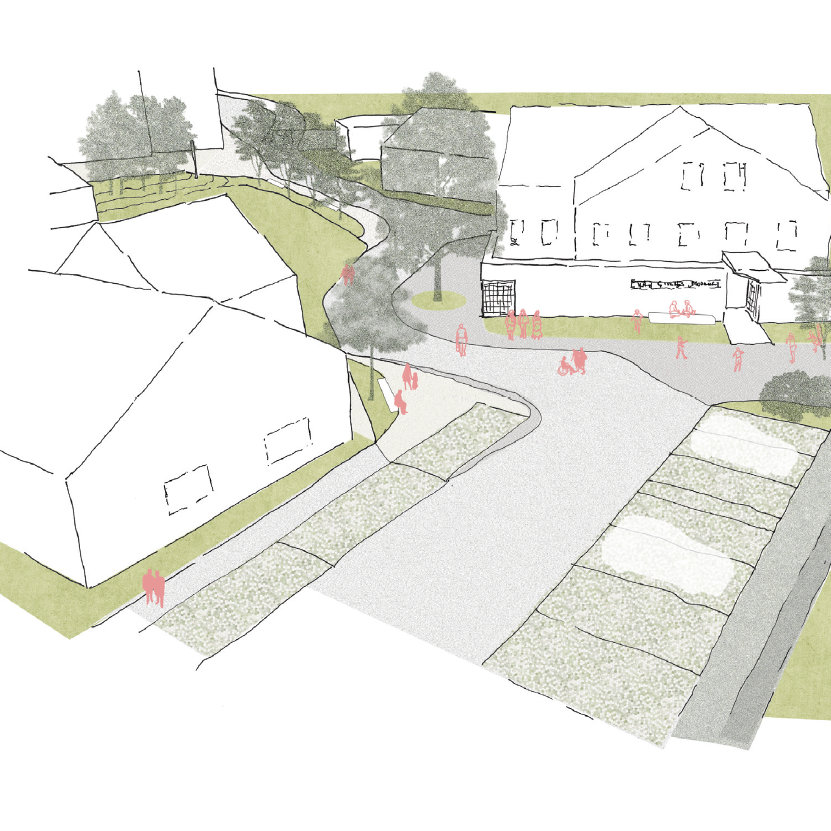
Das Restwasser mündet im Erdgeschoss in die Schwammstadt, wird unterirdisch gespeichert und versorgt die Baumwurzeln. Im Grünstreifen vor der Bahnstation bieten Sträucher, Stauden und Gräser einen Rückzugsraum für Tiere und Pflanzen.
The surrounding landscape serves as the model for the design. In light of climate change, shading, cooling, and the preservation of natural resources are central. For a construction project of this scale, rainwater management, planting design, and shading through climbing plants have become decisive requirements. Rainwater Management on the Mountain Principle. Stored water cools the building and its surroundings and supplies plants, which in turn act in a climate-positive way through evaporation. The model is a mountain massif (e.g. the Untersberg): from rainfall through spring and stream to the mountain lake, the water develops onward. Cascading waterfalls carry it from roof to roof. Uppermost roof surface – retention and biodiversity roof: natural cooling through evaporation, an improved microclimate, and biodiversity. No permanent retention; temporary storage of 72 l/m², permanent storage of 6 l/m². Cascade level – intensive planting: the greater substrate volume (60–80 cm) allows small trees and large shrubs to thrive and increases evaporative cooling. 20 l/m² permanent retention, 70 l/m² temporary storage. A cistern in the former silo tower serves as a reservoir and supplies showers on hot days. Green heart: 7 large trees planted in the former silo towers. The root space (radius 2.5 m, min. 1.5 m substrate depth) makes large trees on the roof possible. The retention roof offers throttled discharge, fewer drainage outlets, flood protection, the restoration of the natural water balance, the reduction of urban heat islands, and increased biodiversity. Sponge City and Railway Strip. The remaining water flows into the sponge city at ground-floor level, is stored underground, and supplies the tree roots. In the green strip in front of the railway station, shrubs, perennials, and grasses provide a refuge for animals and plants.